
- Build quality of the products
- Documentation review
- Design patterns and colour
- Measurements
- Markings and labelling
- Packing and Shipping
- Performance, durability, and safety tests
- Visual Inspection
- Supervision during loading
Pre-Shipment Inspection is a crucial step in determining the quality of the end products. As an importer or a buyer, you cannot always be on-site for product examination when the deliverables are ready for shipping. The supplier’s unit can be located far from yours; thus, travelling and personally inspecting items can become a task.
VERGER Group’s qualified team of inspectors does the job for you while you send us all the specifications and requirements. Our on-site Pre-Shipment Inspection service offers professional verification of the quality and quantity of the merchandise, focusing on the markings, labelling, and packaging of the products before they are ready to load. We ensure your shipment is handled carefully and, ideally, your deliveries reach you on time, and the consignment complies with your requirements and standards.

Pre-shipment inspection is a quality control step to ensure the newly manufactured products’ quality and consistency before they are imported. The products are checked for any defects and safety standards. A final inspection report is written and sent with the shipment. Pre-shipment inspections are done by accredited bodies like the VERGER Group once 80% of the production is completed. The pre-shipment inspection typically covers functionality, durability, quality, overall appearance, and product measurements.
This is a final opportunity to examine any faults in the manufactured goods and take corrective steps to safeguard your products from any additional costs or risks.

Pre-Shipment Inspection is the final test done on the products to ensure quality and safety standards; thus, VERGER makes sure that every detail is taken care of by undergoing the following process:
Our team contacts the factory management to decide on a time and date for the Inspection. The team visits the site on the due date and time for the Inspection. Once the unit is on-site, we contact the sales manager at the factory responsible for the deliverables.
First things first, we ensure that the consignment order is complete. The number of units the importer asks for must be in place before the last steps for inspection are taken.
The inspector is now ready to pull out random samples for testing. We perform a statistical sampling procedure to determine the number of pieces to examine in each carton. The importer provided an inspection checklist that mentioned the pointers that needed to be taken care of during the inspection process.
Various products require different standards and processes for inspection. We conduct electrical safety tests for electrical and electronic items, including high voltage and insulation resistance tests. We perform mechanical safety tests for products with moving parts to ensure safety standards are met, and for garments, we inspect parameters like fabric density and composition.
This process involves testing the items manually for any faults in their functionality. For instance, an inspector tries an electrical charger for its charging capacity or a dining table to check for design faults.
Pre-Shipment Inspection happens when the manufacturing is complete, and almost 80% of the units are packed and ready to be shipped. But even perfectly manufactured goods can get damaged if the packaging is not accurate and sufficient. Also, one can go right with the labels put on the containers. One mistake can land an importer into big trouble at customs in a country. This inspection process addresses these issues and rectifies them.
The Inspector visually inspects the selected samples for hard-to-find defects like loose screws. Overall workmanship is reviewed, and incorrect details like peeling paint are checked for and corrected. Any faults found are classified as minor, major, or critical as per the standards listed by the importer.
Every product specification comes with details on the measurements. One important job of our inspector is to check the items’ measurement specifications (length, width, height, weight, etc.). They use tools like callipers to record the actual measurements.
Barcode inspection is done during the last stages of the pre-shipment inspection. Our inspector checks the quality of the barcode print to ensure it can withstand the rigors of shipping. Also, a wrong barcode can lead to delays in customs clearance; inaccurate information about the products may lead to unnecessary additional costs.
Internationally accepted carton drop test protocol is followed by our inspectors to ensure the packaging of the consignment can withstand the load, rupturing, etc., during shipping.
After the Inspection is completed, our team issues a report on the findings after the Inspection. All the tests undertaken during the inspection service are mentioned with their results. Photographs are taken of the unit and the processes to testify.
VERGER Group is a NABCB-assessed and ISO/IEC 17020-accredited inspection and certification agency, delivering precise, reliable, and on-site inspection services worldwide. As a trusted certification agency in the global inspection industry, we have successfully served 1,000+ customers across multiple sectors.
Contact us today at inquiry@verger-group.com
to book your inspection services with a leading certification agency you can rely on.
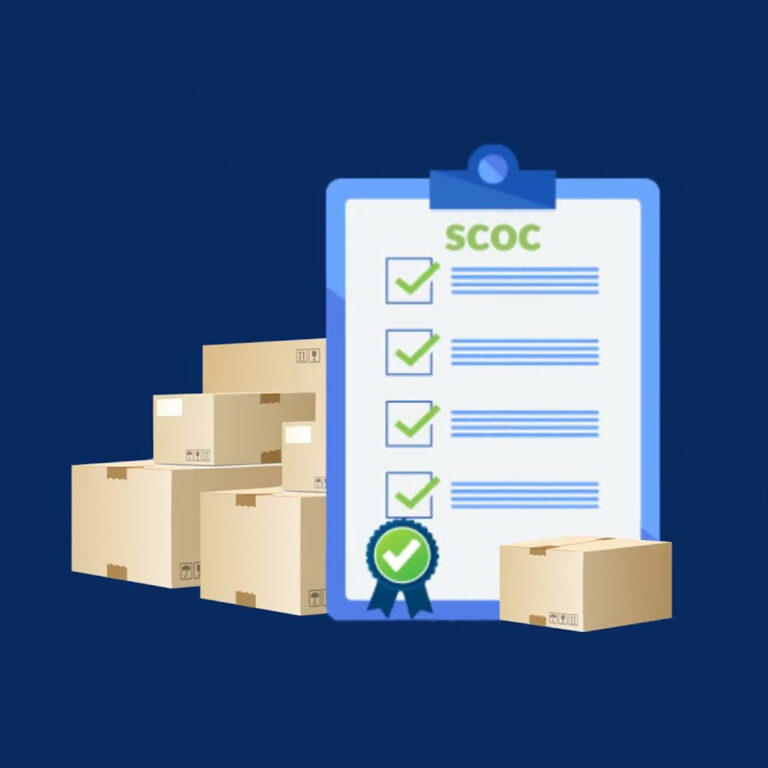
Choose Verger Solutions for meticulous documentation and certification. Elevate your business with excellence, precision, and compliance. Contact us today.
Established in 2020, VERGER Quality & Standardization L.L.C. is an ISO 17065 accredited Conformity Assessment Body and a SASO notified body in the Middle East & North African region and is planning to expand its wings to other markets as well. VERGER has its on-ground presence in two countries, with a headquarters in Dubai, UAE, and branch offices in India, China, Turkey, and Egypt. We are in line to soon have our presence in the USA.
Verger Headquarter: Office 708, Habib Bank AG Zurich Al Jawarah Building, Bank street, Bur Dubai, Dubai, UAE
UAE:
Egypt:
Turkey:
Subscribe to Our Newsletter to stay updated with the latest news and knowledge.
Verger Group © All Rights Reserved | Terms & Conditions