
Adhesives look simple, but the chemistry inside them is not. Solvents, volatile compounds and packaging all affect consumer safety, which is why Saudi Arabia regulates glues, adhesives and tapes under a dedicated technical regulation of their own.
This guide focuses on the product itself: what the regulation covers, the chemical, labelling and packaging rules, the standards that apply to each adhesive type, and the points where suppliers most often get the product requirements wrong.
The Regulation at a Glance
- Title: Technical Regulation for Glue and Adhesive Materials
- Reference: M.A-182-21-05-02
- Approved by the SASO Board of Directors: 14 October 2021 (meeting no. 182)
- Published in the Official Gazette: 17 December 2021
- Legal text: the Arabic version is authoritative; the English version is a translation
Scope: What Counts as a Glue or Adhesive Product
The regulation covers all types of glues and adhesive products, in tape, liquid, powder or paste form. The definitions in the text help you classify your product:
- Adhesive: a sticky substance used to join things together, usually permanently
- Glue: an adhesive that bonds two surfaces by flowing into surface pores and hardening as it dries
- Pressure-sensitive tape: a flexible tape of fabric, paper, metal or plastic coated with an adhesive that bonds under light finger pressure, with no need for water, solvent or heat to activate it

Excluded Products
- Construction and plumbing adhesives, which are covered by other technical regulations
- Medical adhesives, which are subject to SFDA requirements
Borderline Products to Check
Annex 1 lists some standards for products that sit close to the exclusions, such as tile adhesives and solvent cements for plastic pipes. Because the scope clause excludes construction and plumbing adhesives, products in these groups should be checked individually with your conformity assessment body before you decide which regulation applies.
HS Codes Covered
- 3501: casein glues
- 3503: other glues
- 3505: dextrins, modified starches and starch-based glues
- 3506: prepared glues and adhesives in retail packs of 1 kg net or less
- 3919: self-adhesive plates, sheets, film, foil, tape and strip of plastics
- 4811: self-adhesive paper products
- 5906: adhesive tapes
The customs code list on SASO’s electronic platform is the version in force, so check it against the annex before shipping.
Chemical and Health Requirements
Toluene Limit
Any product containing toluene must keep it at or below 0.1% of the total product weight. This is the only substance-specific numeric limit in the regulation, so it is the first thing to verify in your formulation and test reports.
Volatile Substances and Contact Risk
Adhesives must not create health risks through skin contact or through inhaling the volatile substances they release. They must also suit the purpose they were designed for, with user health and safety considered at every stage of use.
Safety Data Sheet Content
Each product must carry a safety data sheet or explanatory statement that includes:
- The legal person responsible for placing the product on the market
- Identification of the substance or preparation
- Ingredient information
- Current and foreseeable hazards
- First aid measures
- Firefighting precautions
- Handling measures for specific circumstances
- Toxicity information, where it exists
- Disposal and recycling methods for the packaging
- Reference to the required conformity assessment procedures
Environmental Requirements
- The product must be free from toxic and hazardous substances that harm the environment
- The manufacturer must follow the environmental rules issued by the relevant authorities
- The manufacturer should operate an effective environmental management system, as required by the competent authorities
- Products should be designed to use natural materials sustainably, with reuse and recycling in mind
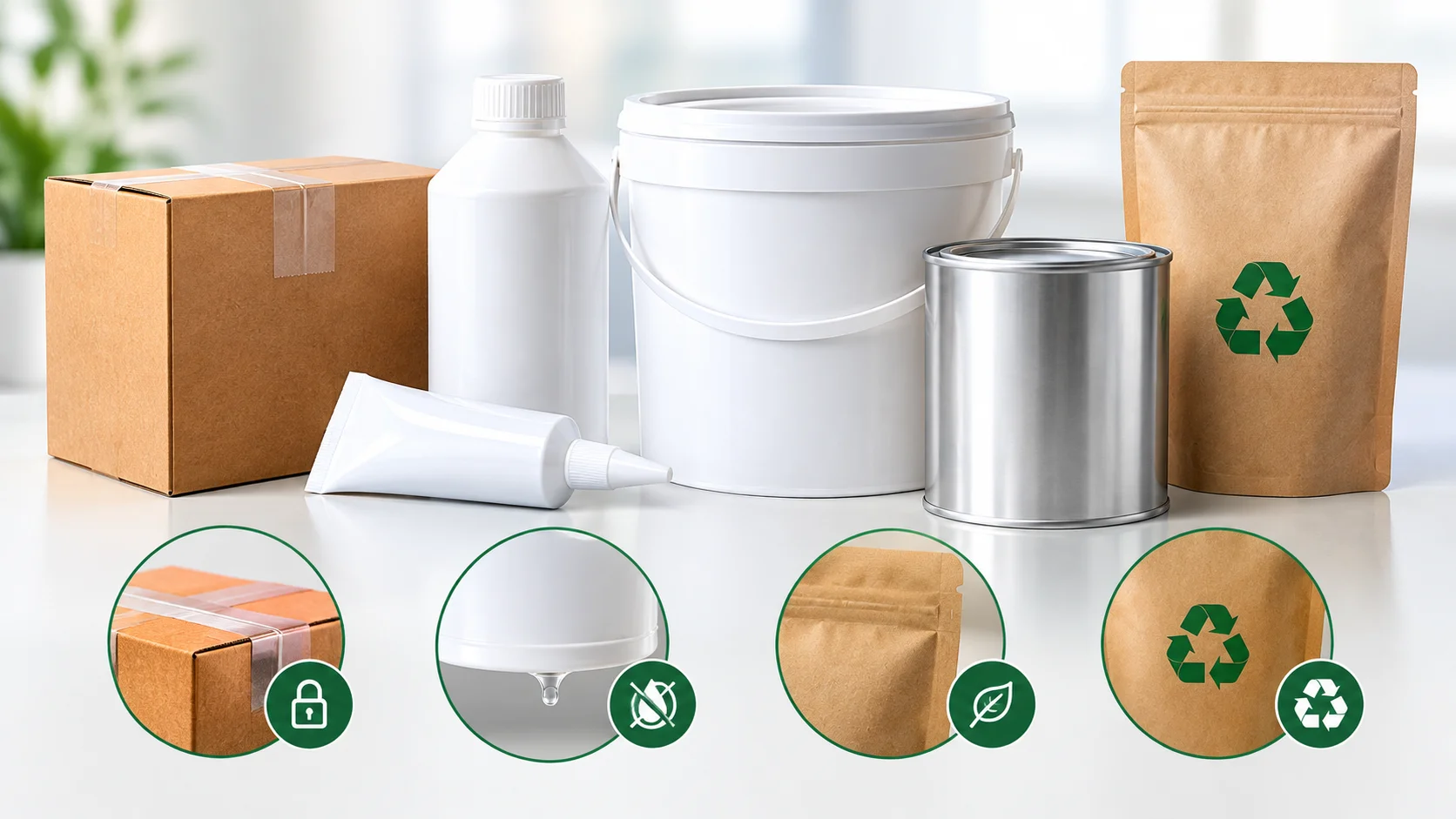
Packaging Requirements
- Suitable packaging, tightly closed and non-hazardous
- No leakage, even if the pack is cracked or damaged
- Packaging materials free from substances harmful to health or the environment
- A recycling symbol on the pack, especially where the packaging is recyclable
Labelling and Marking
Labels must be written, legible and non-erasable, with text and font sizes suited to the product. Information must be true, specific and verifiable, in Arabic or in Arabic and English. Images and wording must respect public morals and Islamic values in the Kingdom.
Every label must show:
- Product name and type
- Supplier name
- Manufacturer name or trademark
- Country of origin
- Classification and intended use
- Main ingredients
- Physical characteristics: condition, dimensions, quantity, size and colour
- Required chemical substance declarations
- Usage and storage instructions
- Safety precautionary statements
Quantities and dimensions must use SI units or their multiples.
Applicable Standards by Product Type
Annex 1 lists 23 standards. Grouped by product type, they include:
Tapes
- SASO 2272: pressure-sensitive closing and sealing tapes
- SASO IEC 60454-1: pressure-sensitive tapes for electrical purposes
- EN 12481: self-adhesive tapes, terminology
General Purpose and Household Adhesives
- SASO 2070: adhesives for general purposes
- SASO 798: polyvinyl acetate emulsion adhesive
- EN 923: adhesives, terms and definitions
- EN 15274: general purpose adhesives for structural assembly
Wood Adhesives
- EN 301: phenolic and aminoplastic adhesives for load-bearing timber structures
- EN 15425: one-component polyurethane for load-bearing timber structures
- EN 12765: thermosetting wood adhesives for non-structural use
- SASO ISO 17087: adhesives for finger joints in non-structural lumber
Solvent Cements and Pipe Adhesives
- SASO ASTM F493: CPVC solvent cement
- SASO ASTM F656: primers for PVC solvent cement joints
- SASO ASTM D2564: PVC solvent cement
- SASO ASTM D2235: ABS solvent cement
- SASO ASTM D2672: joints for IPS PVC pipe using solvent cement
- EN 14680 and EN 14814: adhesives for thermoplastic piping systems
Specialty Adhesives
- SASO 2912: adhesive film for vehicle windows
- SASO ASTM D6753: coal tar adhesive
- SASO ASTM F2468: silicone adhesives and sealants for transportation
- SASO ASTM D6412: flexible epoxy adhesive for bonding metallic and non-metallic materials
- SASO GSO EN 12004: adhesives for tiles
SASO states that this list is subject to review, so confirm the latest versions on its website before you test.
Conformity Routes: Type 3 and Type 1a
Both routes follow ISO/IEC 17067 and require a certificate from a SASO-notified body. The route depends on the product.
Type 3: Production Process Approval
The English translation assigns this route to wax glue and liquid glue products. It rests on a certified product safety management system at the factory.
- Documented system covering manufacturing, final inspection and testing
- Factory assessment visit by an audit team that includes a technical expert
- Three-year approval period
- Periodic audits and unannounced factory visits, with product testing where needed
Type 1a: Type Approval
This route covers all other products in scope. The notified body verifies that the product’s technical design meets the regulation, by examining a sample, reviewing technical documentation, or both.
- Request with technical documentation and a risk assessment
- Test reports and representative production samples
- Type approval certificate if the product conforms
- New approval if a modification affects conformity
Since the translation is not the legal text, confirm the route for your exact product with your conformity assessment body.
Saudi Quality Mark
Products carrying the Saudi Quality Mark or its equivalent are considered compliant with this regulation.
Technical File and Supplier Obligations
The technical file for each product must include:
- Supplier declaration of conformity on company letterhead, using the form in Annex 4
- Risk assessment document
- Certificate of origin
- Test reports required by the regulation
- List of applicable specifications
- Product marking manual, if the label cannot be affixed to the product
The supplier carries full legal responsibility for compliance. Declarations, certificates and system documentation must remain available to the authorities for at least 10 years after the product is placed on the market. If a certified product is modified during the validity period, the certificate or licence is revoked until a new order is placed.
Enforcement and Penalties
Authorities can sample products at ports, markets and warehouses, and charge the supplier for the testing. A product is treated as non-conforming if it lacks:
- A conformity certificate, quality mark or conformity label
- A properly issued certificate or supplier declaration
- Complete technical documentation
- Complete labels, product data or usage instructions
Non-conforming products can be withdrawn, corrected, exported or destroyed, and recalled at the violator’s expense. SASO can cancel the related certificate, and violators face penalties under the Anti-Commercial Fraud Law.
Implementation Status
Suppliers had 180 days from the December 2021 publication to comply, with a grace period of up to 365 days to adjust their market position. Both periods have ended, so the regulation applies in full to in-scope products.
Product-Level Mistakes to Avoid
- Not checking toluene content against the 0.1% limit
- Safety data sheets missing required sections
- Labels with missing fields, such as origin, ingredients or storage instructions
- Test reports against superseded standards from Annex 1
- Treating tile adhesives or pipe solvent cements as in or out of scope without confirming
- Changing the formulation after approval without notifying the certification body
- Packaging without a recycling symbol or with leakage-prone closures
How VERGER Group Can Help?
VERGER Group is an ISO/IEC 17065 and ISO/IEC 17020 accredited Conformity Assessment Body serving Saudi Arabia, Qatar, and Egypt. For adhesive, glue, and tape suppliers, VERGER can help confirm the applicable conformity route, review your technical file and product labelling, and guide you through the assessment process, including SASO Certificate of Conformity requirements for the Saudi Arabian market, in accordance with the applicable regulations.
Get started: Send your product type, formulation summary and HS code for a scope and route check.
Frequently Asked Questions
Are adhesive tapes covered?
Yes, the Technical Regulation for Glue and Adhesive Materials covers adhesive tapes, including pressure-sensitive tapes, subject to the applicable scope and requirements of the regulation.
Is there a limit on toluene?
Yes, 0.1% of total product weight.
Are tile adhesives and pipe solvent cements in scope?
Their standards appear in Annex 1, but the scope excludes construction and plumbing adhesives. Confirm each product with your conformity assessment body.
Can labels be in English only?
No. Arabic, or Arabic and English.
Which standards apply to my product?
Those listed in Annex 1 for your adhesive type, checked against SASO’s current list.
How long must records be kept?
At least 10 years after the product is placed on the market.